Current Project
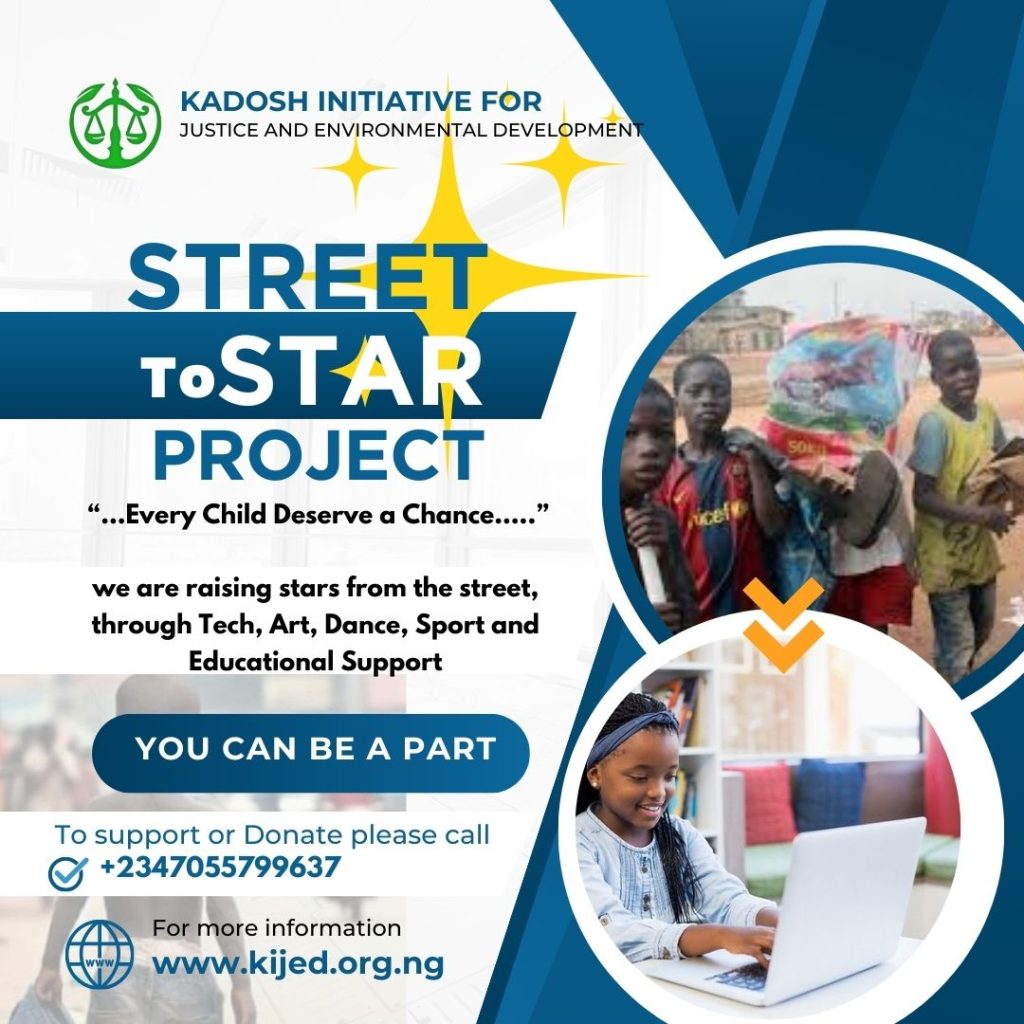
Street to Star Project
The Street to Star Project is an inspiring initiative designed to empower street children by providing them with the resources, mentorship, and opportunities they need to pursue their dreams and achieve their full potential. Through educational programs, vocational training, and artistic workshops, the project equips these young individuals with essential skills and confidence, enabling them to explore their talent in dance and the performing arts. By fostering a supportive community and connecting them with industry professionals, the Street to Star Project aims to transform street children’s lives and help them shine brightly, turning their aspirations into reality and guiding them on a path to success and self-sufficiency.
Women in Tech Project
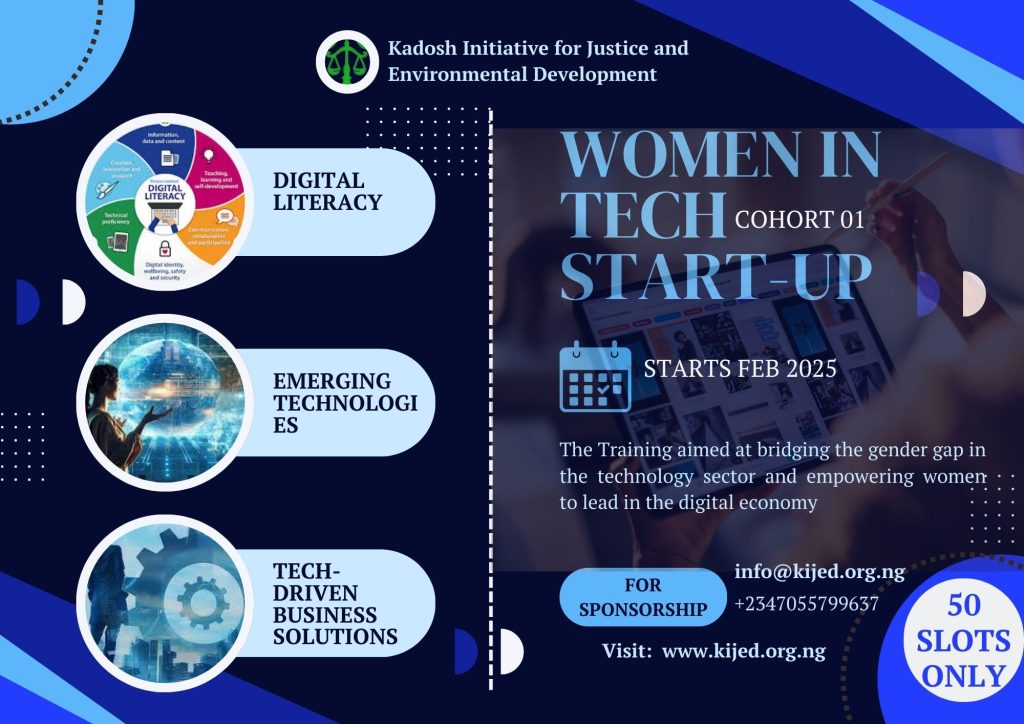
The Women in Tech Project is a transformative initiative designed to bridge the gender gap in technology by training and empowering women in Edo and Delta States to launch and scale tech-driven startups. Over the next four years, this program will equip over 2,000 women with in-demand digital skills, including coding, data analytics, digital marketing, and user experience design. Through intensive training sessions, mentorship from industry experts, and access to cutting-edge technology, participants will gain the knowledge and confidence needed to compete in the rapidly evolving tech industry. The project also includes a startup incubation component, offering seed funding, workspace, and business development support to ensure these women-led startups are well-positioned for success.
Beyond skill acquisition, the Women in Tech Project aims to foster a supportive ecosystem for women entrepreneurs by addressing systemic barriers such as access to funding, networking opportunities, and market visibility. By collaborating with local and international tech organizations, the project will create partnerships that open doors to global markets and investment opportunities. Additionally, the initiative will engage stakeholders, including policymakers, to advocate for inclusive policies that support women in technology. Over four years, this project is expected to not only empower individual women but also stimulate economic growth in Edo and Delta States by creating jobs, driving innovation, and inspiring the next generation of women leaders in technology.

Friends of the Environment Project (FEP)
The Friends of the Environment Project is a groundbreaking initiative aimed at addressing environmental challenges while empowering women in Edo and Delta States to lead Eco-friendly enterprises. Over the next four years, this project will train and support over 1,500 women and 3000 youths in sustainable practices such as waste recycling, renewable energy solutions, organic farming, and eco-tourism. Through hands-on workshops, technical training, and access to green technology, participants will gain the skills needed to start and manage environmentally sustainable businesses. The project also incorporates a startup support component, offering seed grants, mentorship, and market linkages to help women transform their ideas into profitable, eco-conscious enterprises.
By focusing on women as drivers of change, the Friends of the Environment Project seeks to tackle pressing environmental issues such as waste management, deforestation, and pollution, while fostering economic independence. Collaborations with environmental organizations, government agencies, and private sector partners will amplify the impact, creating a robust ecosystem that supports green innovation. The project also includes community outreach campaigns to raise awareness about environmental conservation and climate action. Over the four-year period, this initiative aims to create a new generation of women leaders in environmental sustainability, enhance community resilience, and contribute to a cleaner, greener future for Edo and Delta States.

The Naija CAP Project: Nigeria Clean Air Project
10,000 Trees Planting Campaign
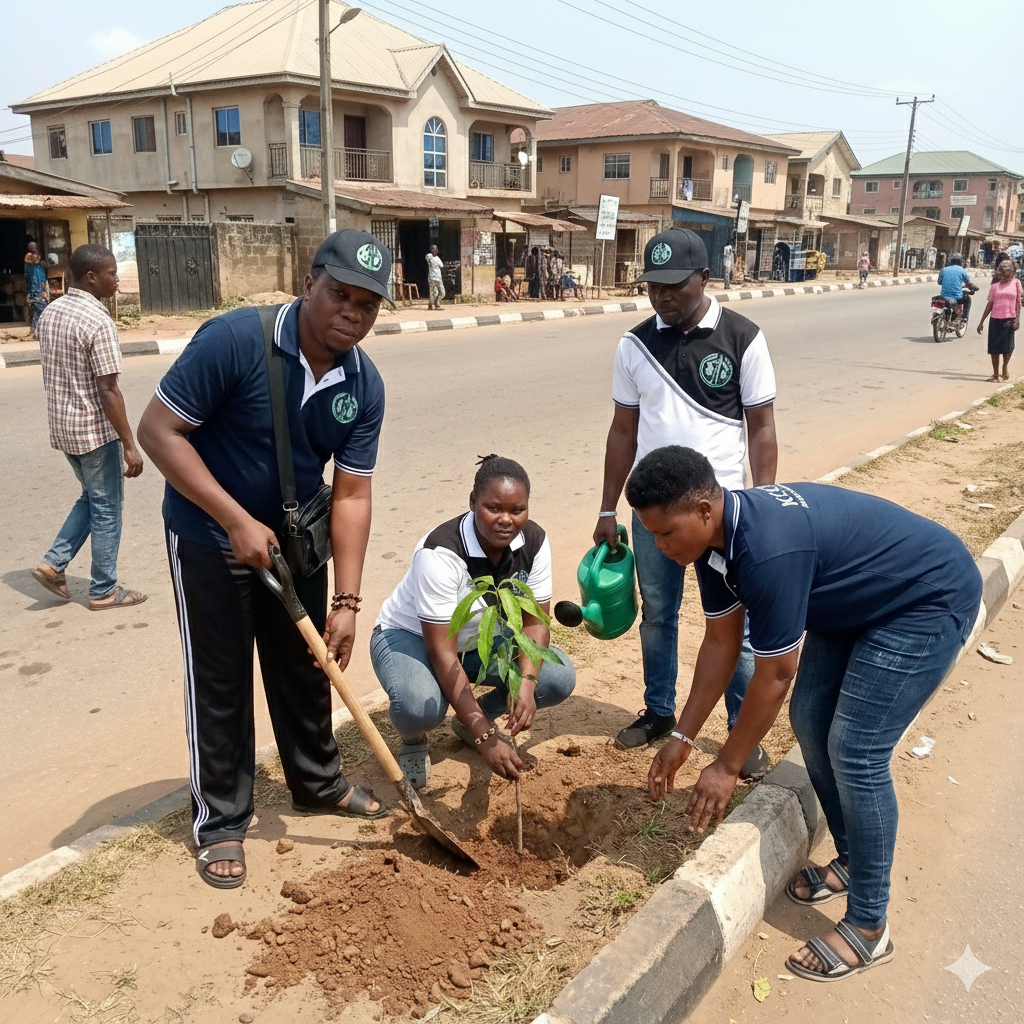
The Naija CAP Project, also known as the 10,000 Trees Campaign, is a bold environmental initiative launched by the Kadosh Initiative for Justice and Environmental Development (KIJED) to combat deforestation, air pollution, and climate change in Edo and Delta States, Nigeria. Over the next five years, the project aims to plant 10,000 trees across urban and rural communities, fostering environmental sustainability, biodiversity conservation, and climate resilience.
Project Necessity

Combating Air Pollution and Climate Change
Nigeria faces increasing environmental challenges, including air pollution, carbon emissions, and deforestation. Tree planting is a natural solution, as trees absorb carbon dioxide (CO₂), release oxygen, and filter pollutants, improving air quality and reducing greenhouse gases.

Addressing Deforestation and Land Degradation
Deforestation, fueled by urban expansion, illegal logging, and agriculture, has led to severe land degradation in Edo and Delta States. Planting trees restores degraded lands, prevents desertification, and safeguards biodiversity.

Mitigating Flooding and Soil Erosion
Both Edo and Delta States experience severe flooding and soil erosion, particularly in urban areas. Trees act as natural barriers, reducing runoff, stabilizing soil, and preventing landslides.

Enhancing Urban Greening and Public Health
Green spaces contribute to cooler temperatures, noise reduction, and mental well-being. The project prioritizes tree planting in schools, markets, roadsides, and public spaces, improving urban aesthetics and public health.

Providing Economic and Livelihood Opportunities
The initiative supports local communities, farmers, and youth by creating jobs in tree nursery development, afforestation projects, and agroforestry. Additionally, fruit-bearing trees will provide food security and income generation.

Strengthening Climate Resilience
By increasing tree cover, Naija CAP helps regulate local climates, enhance water retention, and protect farmlands, ensuring communities are better equipped to handle extreme weather patterns linked to climate change.
How You Can Help
To achieve our 10,000-tree target, we need the active support of government agencies, private sector stakeholders, NGOs, community leaders, and individuals. Here’s how you can contribute:
Join our tree-planting campaigns and community outreach programs
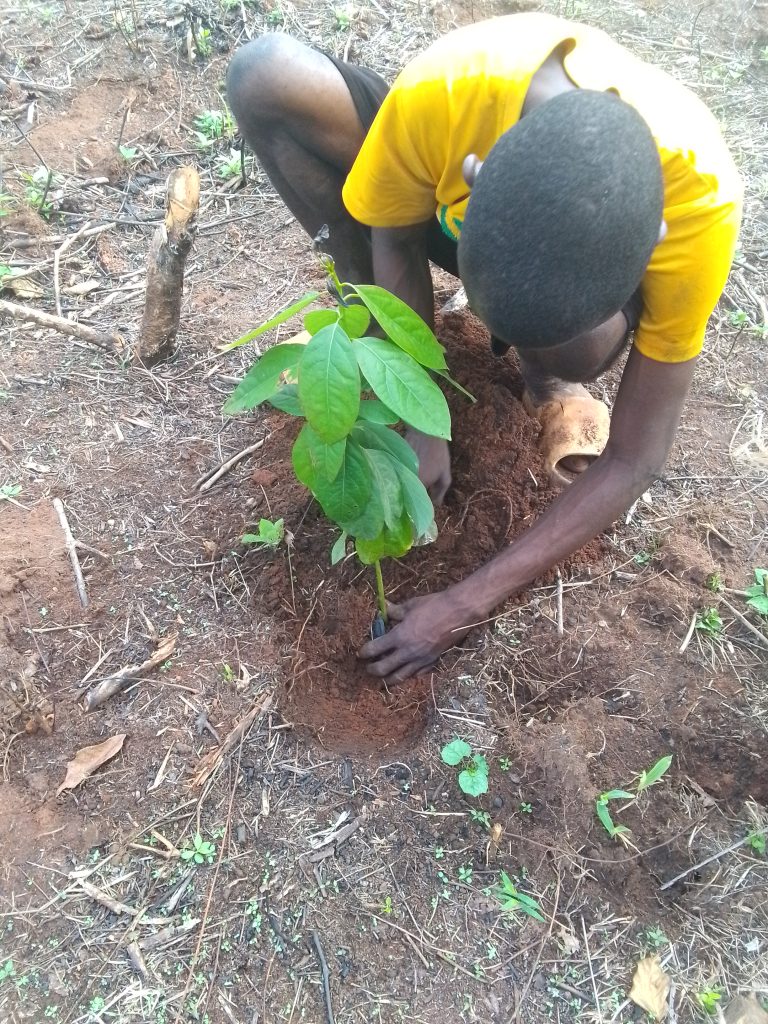
Corporate bodies and institutions can collaborate on large-scale tree-planting efforts.
Support tree seedlings, maintenance, and community awareness programs
Change Project Season 7
The Rising Leaders Training and Mentoring Program
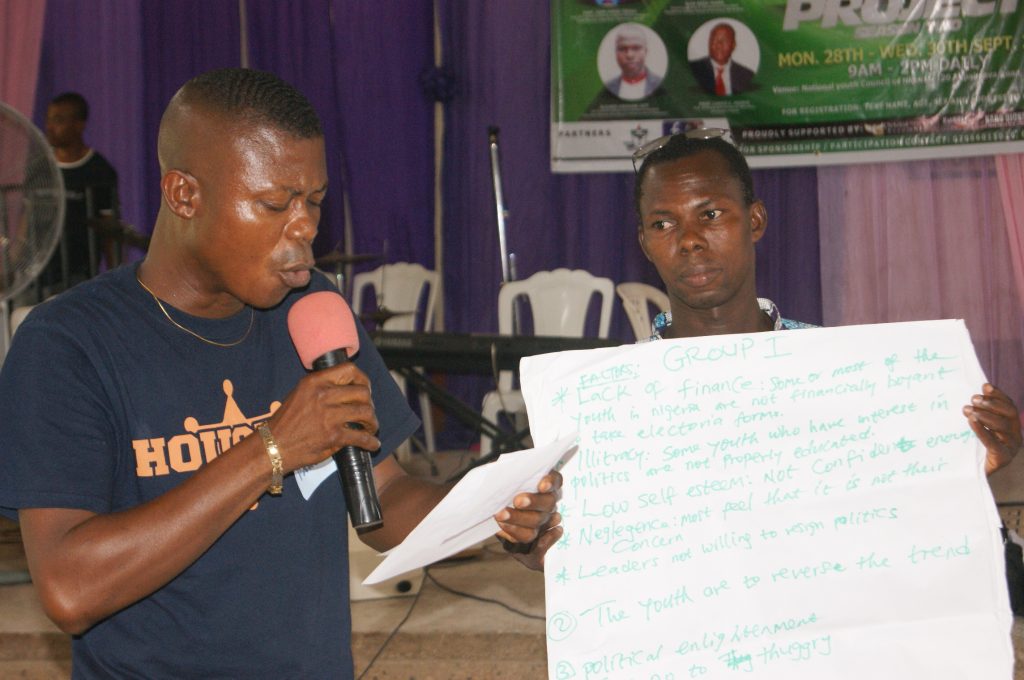
The TAG Change Project, Season 7, is a transformative initiative under the Rising Leaders Training and Mentoring Program, designed to empower 600 youths from Edo, Bayelsa, and Anambra States with essential leadership, entrepreneurship, and social innovation skills. This program aims to nurture a new generation of changemakers who will drive sustainable development in their communities. Through intensive workshops, hands-on training, and one-on-one mentoring, participants will be equipped with critical skills in problem-solving, communication, and project management. The program will also focus on promoting civic engagement, ethical leadership, and economic empowerment, encouraging young people to take active roles in shaping the future of their communities.
In addition to training, the TAG Change Project will provide a platform for participants to develop and implement community-based projects addressing pressing local challenges such as unemployment, environmental degradation, and social inequality. By partnering with experienced mentors and industry experts, the program ensures that these youths receive guidance and support to refine their ideas into actionable solutions. Over its duration, Season 7 is expected to create a ripple effect, inspiring a culture of leadership and innovation across the three states while contributing to the broader goals of youth empowerment and community transformation.

Our Campaigns
World Day of Social Justice: Empowering Inclusion: Bridging Gaps Of Social Justice


The Kadosh Initiative for Justice and Environmental Development (KIJED) marked the 2025 World Day of Social Justice with a series of impactful activities aimed at promoting fairness, equity, and human rights in Nigeria. The event featured a three-part approach, beginning with a robust social media engagement across Twitter, LinkedIn, Facebook, and Instagram. Through thought-provoking posts, infographics, and live discussions, KIJED raised awareness about pressing social justice issues, including gender inequality, environmental justice, and access to basic rights for vulnerable communities. The online campaign encouraged public participation, fostering dialogue and amplifying the voices of marginalized groups.
In addition to the digital advocacy, KIJED conducted on-the-ground sensitization and awareness creation efforts within Edo State. This included engaging the public through street interviews, where citizens shared their perspectives on social justice challenges and solutions. Volunteers and activists also distributed educational materials to inform residents about their rights and responsibilities in fostering an equitable society. These activities not only enlightened the public but also served as a platform for community-driven discussions on social justice reforms.
A key highlight of the commemoration was an advocacy visit to the Edo State Police Command, where KIJED engaged law enforcement officials on issues of human rights, fair policing, and the need for strengthened community relations. During the visit, the organization emphasized the importance of ethical law enforcement practices and the protection of citizens’ rights, particularly for marginalized and underserved populations. The discussions reinforced KIJED’s commitment to bridging gaps between authorities and communities, ensuring that justice and security are accessible to all. Through these collective efforts, KIJED reaffirmed its dedication to advancing social justice in Nigeria.
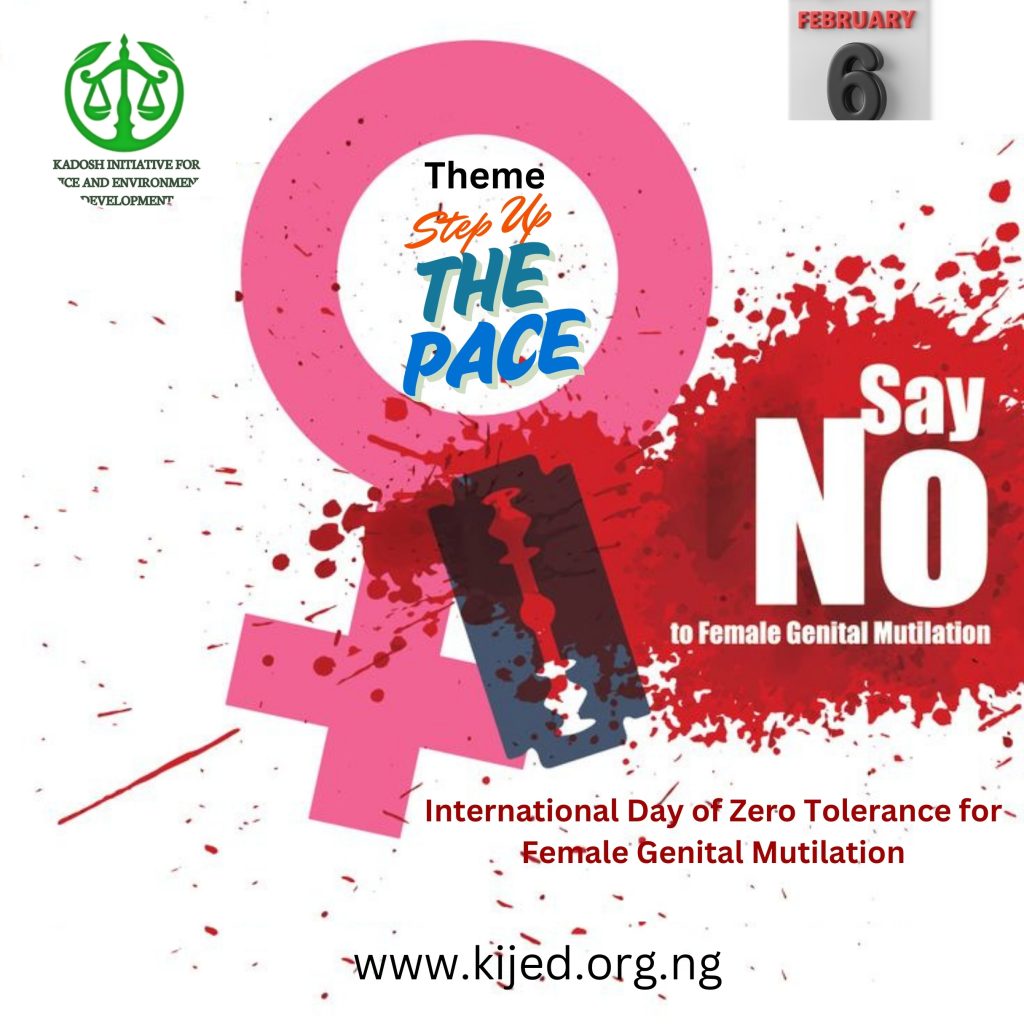
Ending Female Genital Mutilation: A Call for Justice and Empowerment
At Kadosh Initiative for Justice and Environmental Development, we are committed to protecting the rights and dignity of women and girls by campaigning against Female Genital Mutilation (FGM). This harmful practice, often justified by cultural and societal norms, causes severe physical and psychological harm, violating fundamental human rights. Our campaign focuses on raising awareness about the dangers of FGM, advocating for stricter enforcement of anti-FGM laws, and providing support for survivors. Through community engagement, education, and collaboration with local leaders, we are working to change perceptions and end this practice once and for all.
The impact of FGM extends beyond the immediate pain and trauma—it leads to long-term health complications, childbirth risks, and emotional distress that affect women throughout their lives. At Kadosh Initiative, we empower communities with knowledge, offering sensitization programs in schools, rural areas, and faith-based institutions to challenge harmful traditions. We also collaborate with healthcare providers, legal professionals, and policymakers to strengthen protection mechanisms and provide holistic care for survivors. By addressing the root causes of FGM, including gender inequality and misinformation, we aim to foster a society where every girl can grow up safe, healthy, and free from violence.
We cannot achieve this goal alone. We urge governments, civil society organizations, religious and traditional leaders, and individuals to join us in the fight against FGM. Speak out against this violation, support survivors, and educate those around you about the devastating consequences of this practice. Together, we can break the cycle of harm and create a future where girls and women can thrive without fear. Join our campaign today—because every girl deserves a life of dignity, health, and freedom.
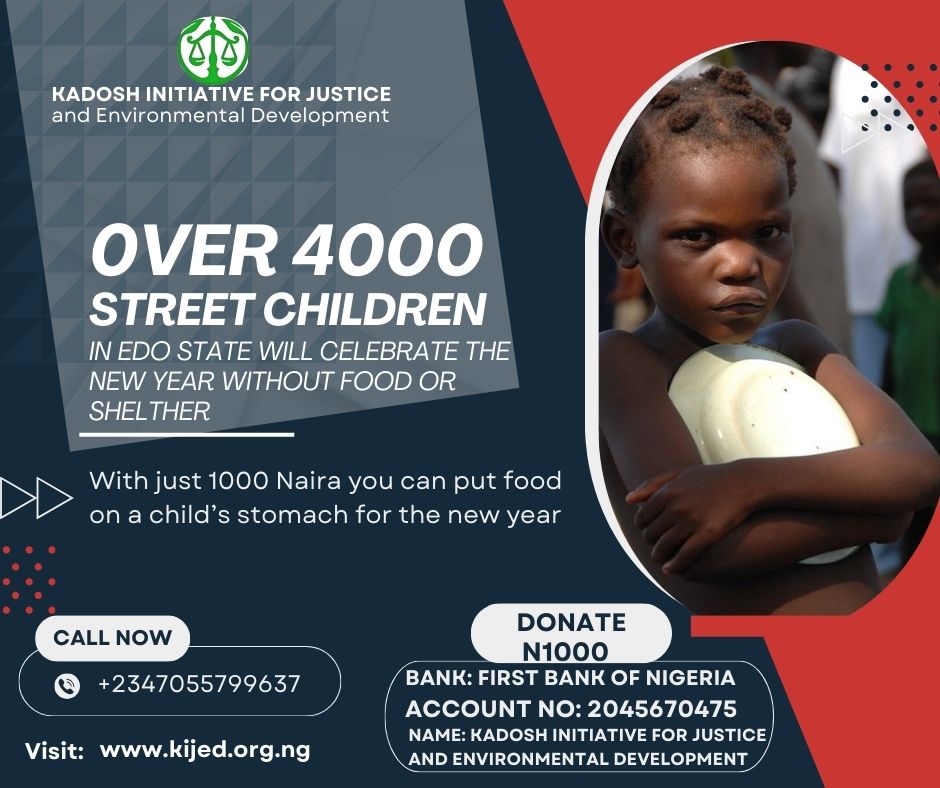
Hands of Hope Project
Hands of Hope Project: Providing Immediate Support for Street Children in Edo and Delta States
The Hands of Hope Project is a critical humanitarian campaign under the broader Street to Star initiative, designed to address the immediate needs of street children in Edo and Delta States. This project focuses on providing food, temporary shelter, and basic necessities to children who are most vulnerable to the dangers of homelessness, hunger, and exploitation. By setting up safe spaces and mobile feeding programs, Hands of Hope ensures that these children receive consistent meals, access to clean water, and a safe environment to rest, even temporarily. This intervention not only meets their urgent needs but also offers emotional support and a sense of belonging, which are crucial for restoring their dignity and hope.
Beyond emergency aid, the Hands of Hope Project serves as a gateway to long-term solutions. It connects beneficiaries to other components of the Street to Star initiative, including education, mentorship, and skill acquisition programs, helping them transition from survival to stability. By collaborating with local communities, religious institutions, and governmental bodies, the project amplifies its impact and ensures sustainability. Over the course of the campaign, Hands of Hope aims to reach thousands of street children, paving the way for a future where no child is left behind or deprived of the basic rights to safety, food, and shelter.
FAQ
What is kadosh initiative For Justice and Environmental Development
KIJED is a non-profit organization dedicated to promoting justice, environmental sustainability, and community development through innovative programs and advocacy in areas such as human rights, gender equality, climate resilience, and youth empowerment.
How does KIJED empower women through its programs?
KIJED empowers women through targeted initiatives such as the Women Empower program, Women in Tech project, and Friends of the Environment project, providing training, mentorship, and resources to help women build sustainable livelihoods and achieve economic independence.
Where does KIJED operate?
KIJED primarily operates in Nigeria, with a focus on Edo and Delta States. However, our projects and advocacy efforts often have a broader impact, reaching other regions and contributing to national and global goals.
How does KIJED ensure transparency and accountability?
KIJED upholds the highest standards of transparency and accountability by regularly reporting on project outcomes, maintaining clear financial records, and engaging stakeholders in decision-making processes. We are committed to using resources effectively and responsibly
What are the main focus areas of KIJED?
Our work focuses on environmental conservation, gender equality, human rights advocacy, governance, youth empowerment, and sustainable development, with projects that address both immediate and long-term community needs.
What is the Street to Star Project?
The Street to Star Project is a child support and empowerment initiative aimed at transforming the lives of vulnerable and street-involved children by providing education, mentorship, vocational training, and safe spaces for growth and development.
How does KIJED address environmental challenges?
KIJED implements projects like the Naija Clean Air Project (Naija CAP) and Friends of the Environment Project to combat climate change, reduce pollution, promote sustainable practices, and empower communities to protect their natural resources.
How can individuals or organizations support KIJED?
You can support us by donating to our projects, volunteering your time or expertise, partnering with us on initiatives, or advocating for our mission. Every contribution helps us create meaningful change in the communities we serve.
"Join the Change Today!"
“Be part of the solution—support our mission to empower communities, protect the environment, and drive sustainable development.”
© 2025 All Rights Reserved.